


As global supply chains continue to evolve, businesses worldwide are exploring new frontiers beyond traditional sourcing hubs. India, with its rapidly growing economy, vast manufacturing capabilities, and skilled workforce, has emerged as a compelling destination for international buyers. This guide is designed to equip you with the knowledge and strategies needed to successfully navigate the Indian market, ensuring efficient and profitable import operations.
While many companies have a well-established history of sourcing from China, India offers unique advantages, from diverse product categories to competitive pricing and robust intellectual property protection in certain sectors. Understanding the intricacies of this market is key to unlocking its full potential for your business.
Why Source from India? Opportunities and Advantages
India presents a dynamic landscape for various product categories. You'll find strong manufacturing bases in textiles and apparel (e.g., Surat, Tirupur), pharmaceuticals (Hyderabad, Ahmedabad), automotive components (Chennai, Pune), engineering goods, and IT services. The country's demographic dividend provides a large, young, and increasingly skilled workforce, contributing to competitive labor costs. This often translates into a attractive factory price for a wide range of goods, especially when compared to saturated markets.
Furthermore, India is investing heavily in infrastructure, including ports, roads, and logistics networks, which are steadily improving efficiency. The government's 'Make in India' initiative actively promotes manufacturing and foreign investment, creating a more favorable environment for international buyers. For instance, India's textile sector is the second-largest in the world, offering everything from raw cotton to finished garments, often at a 15-20% cost advantage over some East Asian counterparts for certain items.
Finding and Verifying Suppliers: A Critical Step
Identifying reliable suppliers in India requires a strategic approach. You can leverage major B2B platforms like IndiaMART, Alibaba, or participate in prominent trade shows such as the India International Garment Fair or Auto Expo. Direct factory visits are invaluable for assessing capabilities and building relationships. However, navigating a new market can be complex, which is where a local product sourcing agent can be indispensable.
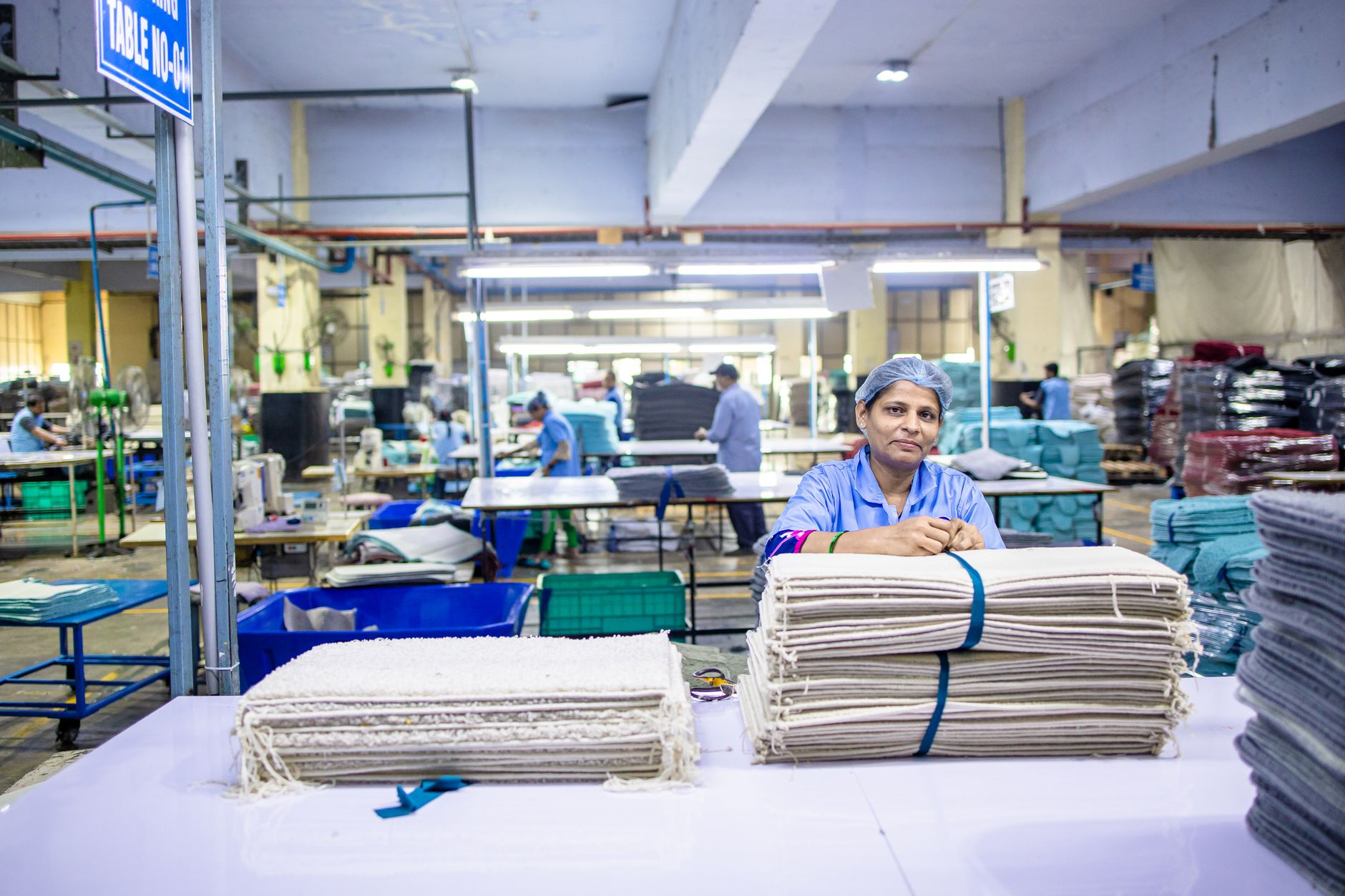
Engaging in thorough supplier verification is paramount to mitigate risks. This involves conducting comprehensive background checks on prospective partners, scrutinizing their business licenses, export history, and financial stability. A reputable agent can perform factory audits, assessing production capacity, quality management systems, and ethical compliance. For example, verifying ISO certifications, SA8000 for social compliance, or specific industry standards can provide peace of mind and ensure your chosen supplier aligns with your company's values and requirements.
Ensuring Quality: From Production to Pre-Shipment
Maintaining consistent product quality is non-negotiable for successful importing. Implementing a robust quality control strategy from the outset is crucial. This typically involves several stages of inspection: Initial Production Check (IPC) to verify raw materials and machinery, During Production Inspection (DUPRO) to monitor processes and address issues early, and the most critical, pre-shipment inspection (PSI).
PSI involves inspecting finished goods before they leave the factory, ensuring they meet your specifications, quantity, and packaging requirements. An independent third-party inspection company is highly recommended for impartiality. They will check for defects, correct labeling, and proper carton marking. For instance, if you're importing garments, PSI would confirm fabric quality, stitching, sizing accuracy, and packaging integrity, potentially catching issues that could cost thousands in returns if discovered post-arrival.
International Logistics and Customs Clearance
Efficient logistics are the backbone of international trade. Once your goods are ready, you'll need to arrange transportation. A reliable freight forwarding company will manage the entire shipping process, from port of origin (e.g., Nhava Sheva, Mundra, Chennai) to your destination. They can advise on the best shipping method – sea freight for cost-effectiveness and bulk, or air freight for speed and high-value, lower-volume goods. Expect sea freight from India to Europe or North America to take 25-45 days, while air freight typically takes 5-10 days.
Navigating customs clearance, both in India and at your destination country, requires meticulous attention to detail. Key documentation includes the commercial invoice, packing list, bill of lading (for sea freight) or air waybill (for air freight), certificate of origin, and potentially product-specific licenses or certifications. Errors in documentation can lead to significant delays and penalties. While the principles are similar to when you import from China, specific Indian customs regulations and tariffs must be understood and adhered to.
Securing Your Transactions: Payment Terms and Risk Mitigation
Establishing secure payment terms is vital in international sourcing. Common methods include Telegraphic Transfer (T/T), where an upfront deposit (often 30%) is paid, with the balance due upon shipment or receipt of documents. For larger orders or new supplier relationships, a letter of credit (L/C) offers greater security for both buyer and seller. An L/C is a financial instrument issued by a bank, guaranteeing payment to the seller provided all stipulated conditions (e.g., on-time shipment, correct documentation) are met.
While an L/C can be more complex and costly (typically 0.5-2% of the transaction value), it significantly reduces payment risk. Additionally, consider Incoterms (International Commercial Terms) such as FOB (Free On Board) or CIF (Cost, Insurance, and Freight) to clearly define responsibilities and costs between you and your supplier. Always have a clear, legally binding contract in place, drafted by an expert, to cover all aspects of the transaction, including quality standards, delivery schedules, and dispute resolution mechanisms.
Conclusion: Unlocking India's Sourcing Potential
Sourcing from India offers a wealth of opportunities for international buyers seeking diversification, cost-effectiveness, and access to a growing manufacturing base. By prioritizing thorough supplier verification, implementing stringent quality control measures, understanding international logistics, and securing your financial transactions, you can build a resilient and profitable supply chain. India's market, while requiring careful navigation, promises significant rewards for those prepared to invest in a strategic approach.
Ready to explore the vast potential of sourcing your next products from India? Our expert team is here to guide you through every step, from supplier identification to customs clearance. Contact us today to request a personalized sourcing quote or a consultation tailored to your specific import needs.
